Extreme non-violence. A portrait beyond the photographer.
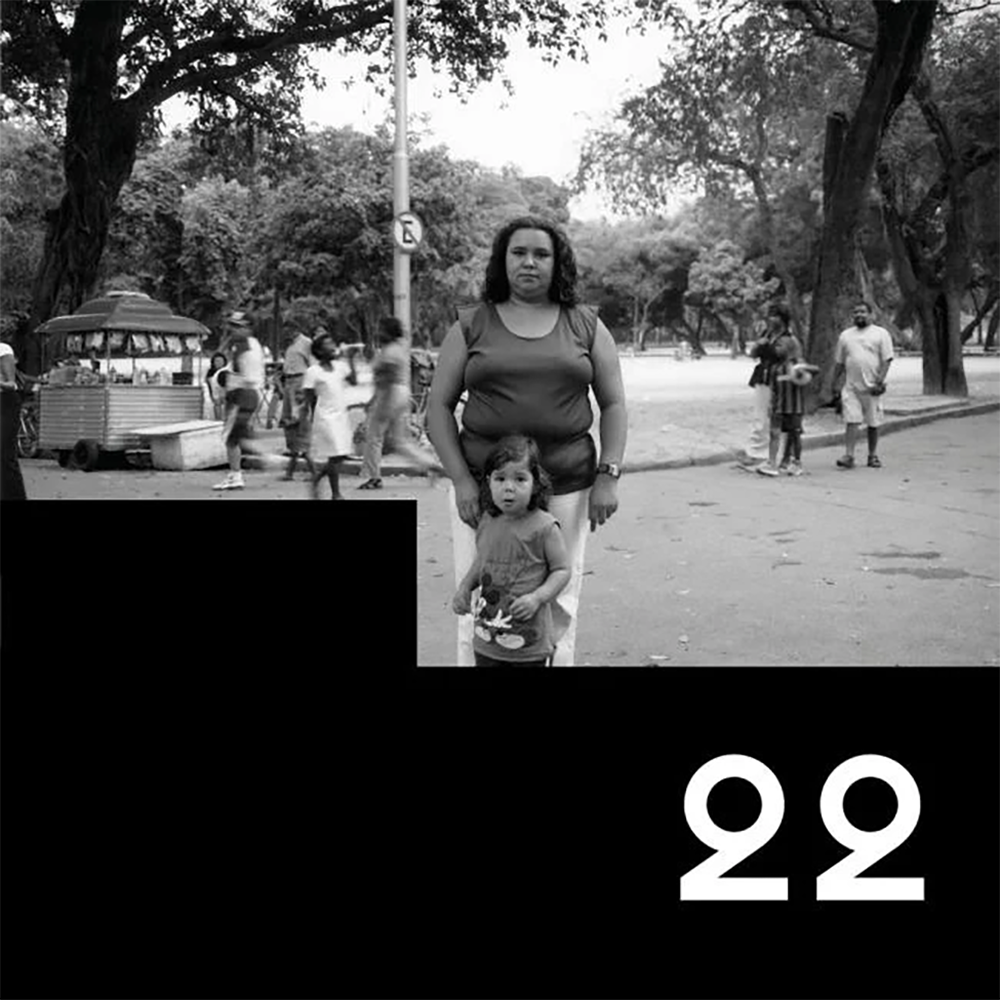
<p>There is a saying that a portrait tells more about the person behind the camera than the one who is photographed. A single picture is capable of showing the ecology and multitude of relations happening inside and outside of the frame, before and after the photograph has been taken. When I look at French artist Bruno Serralongue’s series ‘Sunday afternoon’ made in Brazil over twenty years ago, from 1999-2000, I wonder: what does the work say about the artist himself and his use of the medium?</p> <p>‘Sunday afternoon’ is a series of photographs performed in a park in Rio de Janeiro. Back in those days, before mobile phones, local photographers offered to take photos of the passers-by – families, children, couples. This is a gesture and a service seemingly archaic today, yet driven by a similar desire to capture a walk, a kiss, a hug, a family gathering, a shared moment, a farewell. Many local snappers were strolling the parks to earn money by making those weekend portraits. Serralongue went along and, learning this local, often amateur habit, also became a Sunday photographer for a day. Instead of taking money, he asked to keep the negatives of each portrait, while the sitter walked away with the positive. As he recalls: “I try to be attentive to how the medium is performed in various countries and cultures, how it is used by non-professionals and how photography happens. Everyone has their own way. I tried this method in Rio, but not for too long, not to take away someone else’s job.”…</p>
Authors: Joanna Warsza
Artists: Bruno Serralongue
Contributors: Muhammad Ali, Flaka Haliti, Jay Jordan
Part of: TextWork
ISSN: 27269949